Thinking about buying a few acres near Brasstown for a small homestead? In this part of Clay County, the biggest surprise for many buyers is that a pretty parcel and a usable parcel are not always the same thing. If you want space for a home, garden, septic area, driveway, and maybe a few outbuildings, you need to look past the listing photos and into the site details that really matter. Let’s dive in.
Why usable land matters most
In the Brasstown area, gross acreage can be misleading. A Clay County planning document describes much of the county as mountainous, with sharp ridges, peaks, and mostly steep slopes.
That same document notes that only a small percentage of the county is relatively flat, and some of that flatter ground is found near villages including Brasstown. For a small homestead, that means two parcels with the same acreage can offer very different real-world options.
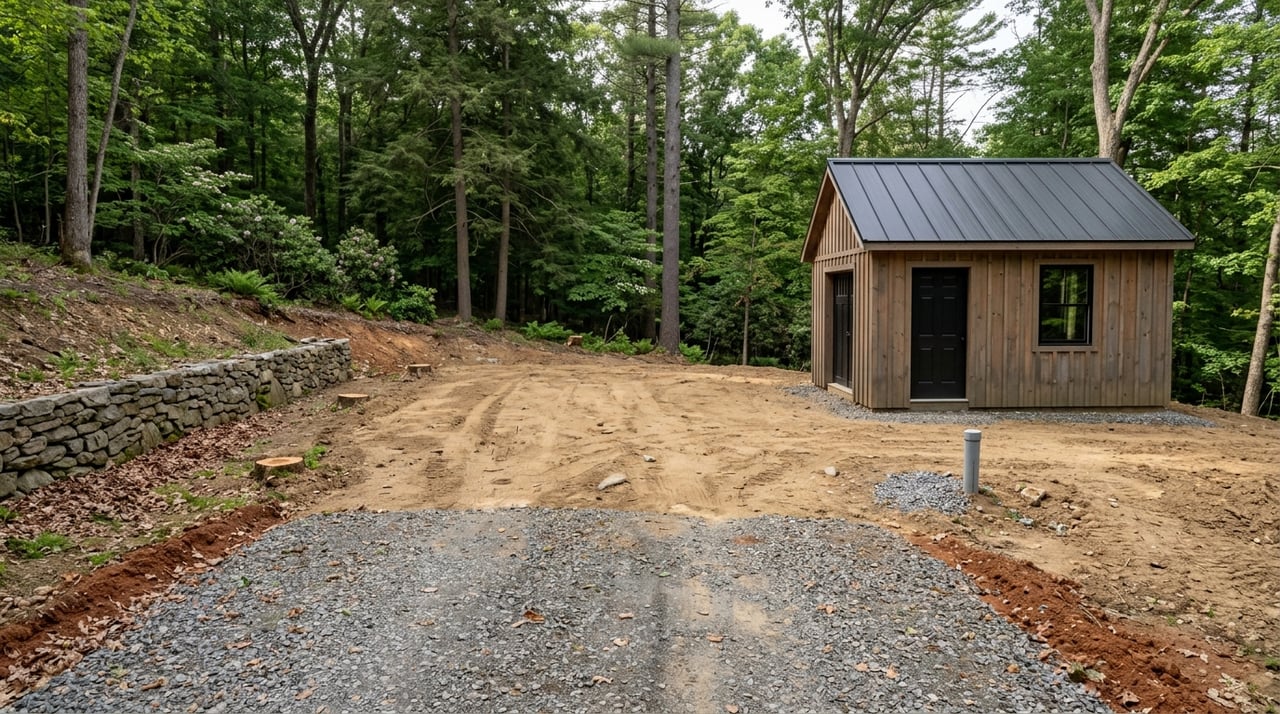
A workable setup usually needs room for more than just a house. You may also need space for a septic system, a well or water connection, a driveway, gardening, parking, and any future outbuildings.
Start with the homesite plan
Before you focus on views or total acres, picture how the land would actually function day to day. A small homestead works best when the main pieces fit together without forcing expensive compromises.
Ask yourself whether the parcel has enough practical ground for:
- A house site
- A septic area
- A driveway with reasonable access
- A well location or utility connection
- Garden space
- Storage buildings or a workshop
- Outdoor living space
This kind of planning matters even more in mountain terrain. Steep land can limit where you build, where you place a septic system, and how much of the property feels useful once the work begins.
Brasstown terrain can change the budget
Slope is not just a design issue. It can affect grading, driveway construction, drainage planning, clearing, and the amount of buildable area left after permits are reviewed.
Clay County’s planning document also notes that county transportation corridors are often limited by valley geography. In practical terms, getting onto and around a parcel may take more thought than buyers expect when they first start shopping for land.
If you are comparing properties near Brasstown, a smaller tract with better access and gentler ground may be more useful than a larger tract with steep terrain. For many buyers, that makes a parcel’s layout more important than its advertised acreage.
Soil and growing conditions matter too
If your goal includes gardening or a more self-reliant lifestyle, it helps to know that Clay County soils can need extra work. The county planning document says many local soils formed in rock materials with poor fertility.
That does not mean a small homestead is off the table. It means you should plan for possible soil improvement, clearing, and site prep if food production is part of your long-term plan.
The same document says about 84 percent of the county is forested. That can be a plus for privacy and natural beauty, but it may also mean more clearing work before the land is ready for your intended use.
Elevation affects climate and season length
Not all Brasstown-area land will live the same. Clay County’s climate varies by elevation, with county planning materials reporting average annual rainfall of about 63 inches around Hayesville and about 85 inches at higher elevations on Standing Indian Mountain.
Higher elevations are also described as cooler, wetter, and shorter-season. If you hope to garden, keep animals, or spend a lot of time outdoors working the property, elevation can shape how the land performs through the year.
This is one reason local, parcel-level guidance matters. A mountain lot that feels ideal for privacy or views may come with a different growing season and water pattern than a lower, more sheltered tract.
Septic is a first-step issue
For many small homestead buyers, septic is one of the most important early checks. Clay County Environmental Health uses an Improvement Permit, Construction Authorization, and Operation Permit for septic systems.
The county also states that an application and site evaluation do not guarantee a permit. In many real estate transactions, the Improvement Permit is used to test whether the land meets the rules.
That distinction is important. A seller may mention prior evaluation work, but you still need to know whether there is an actual valid permit and what it allows.
Understand the septic permit sequence
Clay County says the Improvement Permit is valid for 5 years and can transfer if site conditions and intended use do not change. The Construction Authorization is what allows installation.
After installation and inspection, the county issues the Operation Permit. The county also says that when new construction, remodels, or additions require a building permit, a Certificate of Occupancy or electrical approval will not be issued until the Operation Permit is obtained.
For buyers, the takeaway is simple: septic is not a box to check later. It is a core part of whether the land fits your plan.
Well water needs planning and testing
If county water is not available, a private well may be part of your homestead setup. Clay County’s information sheet says a well construction permit is a schematic design for an approved drilling area and is valid for 5 years.
State guidance says private wells are handled by county health departments and NCDHHS, and all new private drinking water wells since 2008 are sampled by local health departments. NCDHHS also says new wells must be tested before being used as drinking water.
So if a property depends on a private well, treat that as a formal due diligence item. You want to understand the permit path, approved area, and testing requirements before assuming water is handled.
County water and sewer are not automatic
Some parcels may have access to county water or sewer, but you should never assume service is available, immediate, or inexpensive. Clay County says a letter of availability from the Water and Sewer Department is required if a parcel can connect to county service.
The county’s Water and Sewer information also says new residences not already on the system should ask for a system development fee quote. That makes utility availability and cost an early budgeting question, not a last-minute detail.
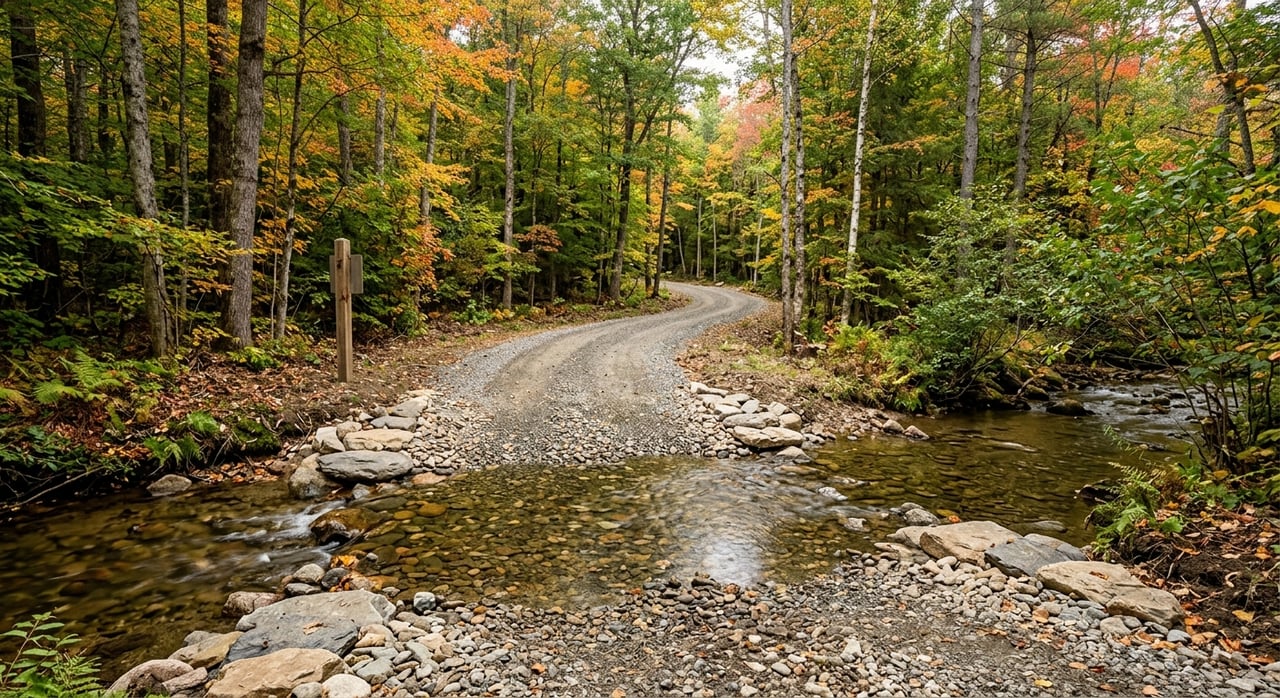
Road access can make or break a parcel
A land listing may show road frontage, but access still needs a closer look. NCDOT says anyone developing property or changing existing access to the State Highway System must obtain a driveway permit.
NCDOT also recommends contacting the local land-use authority and the local NCDOT district engineer early in the process. For a Brasstown-area buyer, that means verifying driveway feasibility before treating the parcel as build-ready.
This matters because access affects far more than convenience. It can influence construction costs, emergency access, and whether the homesite layout works the way you expect.
GIS maps are a starting point
Online parcel maps are helpful, but they are not the final word. USDA NRCS says Web Soil Survey is the official current soil survey source and can produce custom reports for a county or property.
At the same time, Clay County’s GIS page warns that its map data may not be suitable for other purposes and should be verified against recorded deeds, plats, and other public records. In short, GIS is useful for early screening, but recorded documents and permit review carry more weight.
Check deeds, plats, and boundaries early
Before making an offer, confirm that the deed, plat, easements, and boundary lines line up across the available records. Clay County’s Register of Deeds records deeds and plats, and county guidance points buyers back to primary records for verification.
This is especially important with mountain land, where shape, frontage, and access can affect how the property can actually be used. A parcel that looks simple online may have details in the recorded documents that change your plans.
Watch for overlays and local rules
Not every issue will appear in the listing remarks. Clay County says projects within Hayesville city limits or its ETJ need a town zoning permit.
The county also says projects in FEMA AE flood zones need a Floodplain Development Permit and FEMA Elevation Certificate. In addition, Clay County’s ordinances include subdivision, flood damage prevention, watershed protection, farmland preservation, residential park development, and RV or campground rules.
For a homestead buyer, that means you should check local development constraints as carefully as deed restrictions. A beautiful property can still come with rules that shape what you can build and how you can use the site.
A practical offer checklist
When you are buying land near Brasstown for a small homestead, these are some of the smartest questions to answer before you commit:
- How much of the acreage is actually buildable?
- Is there a valid septic Improvement Permit, or only an evaluation?
- Will the property use a private well or county water?
- If county service may be available, what are the availability and fee details?
- Does road access require a driveway permit?
- Are the deed, plat, easements, and boundaries verified?
- Is the parcel in the Hayesville ETJ, a flood zone, or another regulated area?
- Does the topography support your goals for a house, garden, and outbuildings?
The smartest way to shop for homestead land
In the Brasstown area, the safest approach is to treat land buying as a site-feasibility exercise first and a lifestyle choice second. Views, privacy, and acreage all matter, but slope, soils, septic, water, access, and permit path usually tell you whether the property will work.
That is where local guidance can save you time and money. When you understand how mountain parcels really function in Clay County, you can focus on land that fits your goals instead of chasing acreage that may not deliver.
If you are exploring land near Brasstown and want help narrowing down the right options, the Donna Srabian Team can help you compare parcels, spot practical red flags early, and move forward with more confidence.
FAQs
What should you check first when buying land near Brasstown for a small homestead?
- Start by checking usable ground, slope, septic potential, water source, driveway access, and whether the parcel layout supports your planned house site and outbuildings.
Does a septic evaluation guarantee a buildable homesite in Clay County?
- No. Clay County says an application and site evaluation do not guarantee a permit, so you need to understand whether there is a valid Improvement Permit and what it allows.
Do Brasstown-area homestead properties usually need a well?
- Some may, but it depends on whether county water is available. If the property will use a private well, Clay County and state guidance require permitting and testing.
Can you rely on Clay County GIS maps when buying Brasstown land?
- GIS maps are useful for early research, but Clay County says map data should be verified against recorded deeds, plats, and other public records.
Why is road access important for Brasstown land buyers?
- Access affects driveway placement, buildability, and project cost. If access involves the State Highway System, NCDOT says a driveway permit may be required.
Do local rules matter outside the listing details for Brasstown parcels?
- Yes. Clay County rules can involve floodplain requirements, ETJ zoning coordination, watershed protection, subdivision rules, and other local development constraints that may affect the site.