Thinking about selling your Murphy home this spring? You already know spring brings more buyers, but in our mountain market the timing of leaf-out, road conditions, and curb appeal can make a real difference. With the right prep, you can launch at the moment demand rises and show your home at its best. This guide gives you a clear month-by-month plan, a 12-week quick-start calendar, a mountain-home checklist, and a marketing sequence tailored to Murphy and Cherokee County. Let’s dive in.
Why spring works in Murphy
Spring is typically the busiest homebuying season, and activity here ramps up from late winter through spring. In Murphy and across western North Carolina, curb appeal often peaks later than in lowland areas because greenery and views improve after leaf-out. That means timing photos and showings to capture fresh landscaping and safe access is important. To get ahead of the rush, start scheduling repairs, staging, and photography in January and February.
Your spring prep timeline
January: Assess and plan
Start with a strategy meeting and market analysis to define your target timing, pricing window, and likely buyer profile. Begin decluttering and deep cleaning, and reserve storage if needed. Order a pre-list home inspection and a roof and gutter check so you can plan repairs. Book contractors early, and organize service records for HVAC, septic, well, and water filtration for your disclosures packet.
February: Repair, update, and stage
Tackle cost-effective cosmetic updates like neutral paint, minor flooring fixes, caulking, and simple hardware swaps. Complete reasonable repairs from the pre-inspection, including electrical, plumbing, roof flashing, or chimney service. Decide on staging style and book a stager if you plan to use one. Set your landscaping and driveway plan, and book professional photography and drone work for when the exterior will look its best.
March: Final prep and photos
Deep clean again, touch up paint, and install staging. Complete interior, exterior, aerial, twilight, and floor plan photos, plus video or a 3D tour if available. Build your marketing materials and listing copy that highlight access, views, utilities, and seasonal considerations. Aim to go live in early to mid-spring, weighing early exposure against waiting for peak greenery.
April: Active showings and fine-tuning
Maintain curb appeal by mowing, mulching, and keeping porches clean, and confirm the driveway and entrance are safe and clear. Be responsive to showings and follow a simple showing checklist for lights, temperature, and pets. Track feedback and showing activity, then adjust marketing or price positioning if needed.
12-week quick-start calendar
- Weeks 1–2: Market analysis, pre-list inspection, contractor bids, start declutter.
- Weeks 3–4: Begin repairs and paint, schedule staging and photography.
- Weeks 5–6: Finalize landscaping plan and staging approach, draft disclosures.
- Weeks 7–8: Install staging, complete photography and media, create marketing assets.
- Weeks 9–10: Listing goes live, host a broker open and the first public open house.
- Weeks 11–12: Ongoing showings and lead follow-up, negotiating as offers come in.
Mountain-home priorities in Murphy
Access and seasonal roads
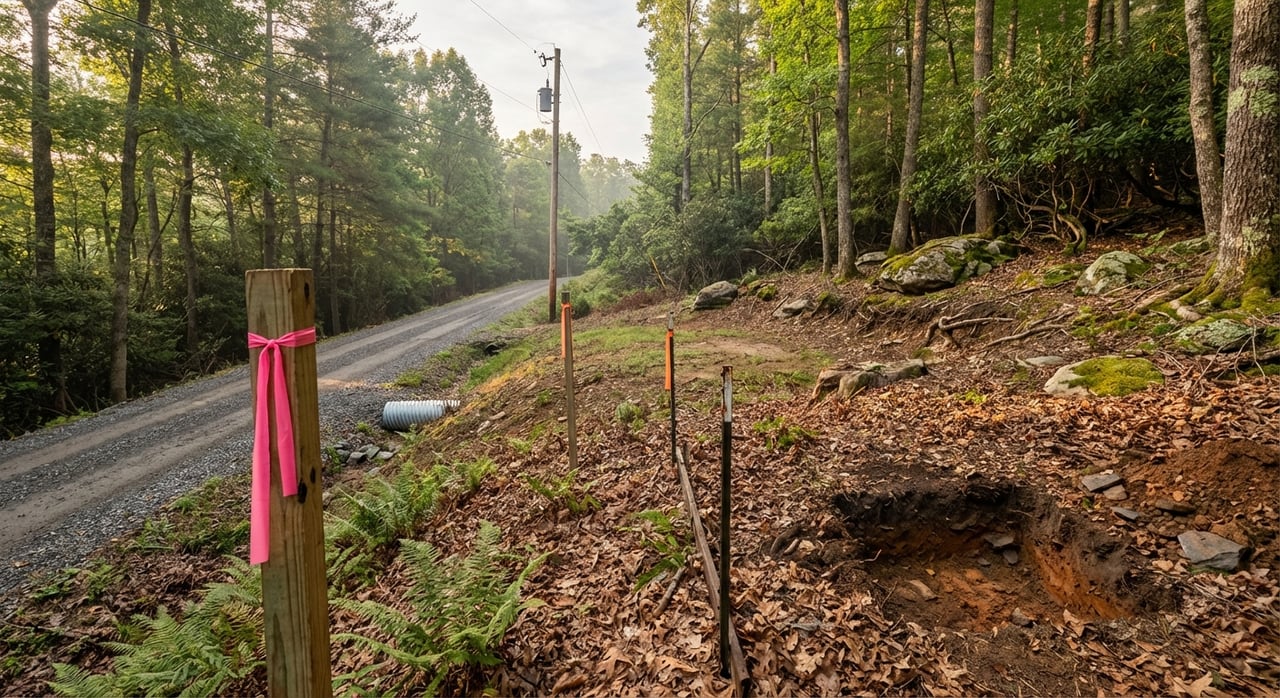
Confirm year-round access and share details on road maintenance, HOA or private road agreements, and any snow-plowing arrangements. Grade gravel and repair ruts for safe traction. Clear culverts and drainage to prevent washouts.
Water, septic, and records
Test well water and gather septic service records. Pump the system if needed and keep documentation ready. Buyers of rural homes often ask for these early.
Roof, gutters, and drainage
Our region sees heavy rain and freeze-thaw cycles, so address roof, flashing, and gutter issues before listing. Ensure downspouts move water away from the foundation. Document any hillside stabilization or retaining walls to ease buyer concerns about erosion.
HVAC and chimney
Service the heating system and replace filters. If a fireplace is a key feature, have the chimney inspected and cleaned. Organize receipts to show regular maintenance.
Vegetation and views
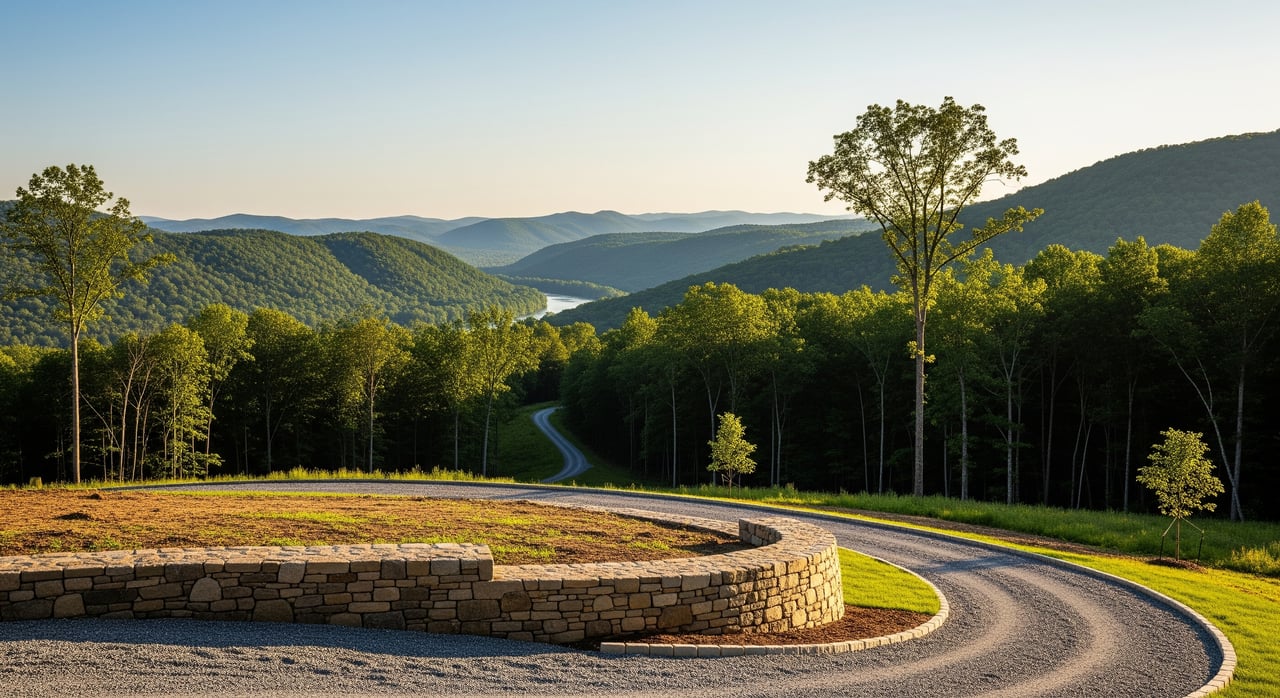
Trim overgrowth that blocks views and remove dead or dangerous trees near the home. Avoid aggressive clearing that could expose vulnerable slopes. Plan fresh mulch and tidy beds for spring photos.
Pests and wildlife
Check for signs of carpenter bees, termites, or rodent entry points. Seal gaps and consider preventive treatments where appropriate.
Utilities and connectivity
Buyers value reliable internet and cell service, especially remote workers. Note available providers, typical speeds if you know them, and any generator or propane systems.
Outdoor living and seasonality
Showcase decks, patios, fire pits, and trails. Emphasize nearby recreation, but also be transparent about seasonal limitations like access roads.
Printable pre-list checklist
Documentation and planning
- Comparative market analysis and pricing strategy
- Pre-list home inspection report and repair plan
- Mortgage payoff info and title documentation
- Utility, septic, well, HVAC, and roof service records
- Property survey and plat map if available
- Disclosures drafted and ready
Repairs and improvements
- Patch and paint interior walls in neutral tones
- Update light fixtures and door hardware
- Repair flooring transitions and caulking
- Verify all lights and fixtures work
- Roof and gutter repairs; chimney service
- Septic and well service and inspection
- HVAC service and filter replacement
- Address safety items like handrails, steps, smoke and CO detectors
Curb appeal and exterior
- Clean entryway; power wash siding and decks
- Trim shrubs, clear deadwood, open up view corridors
- Grade driveway, fix potholes, clear culverts
- Refresh mailbox and house numbers
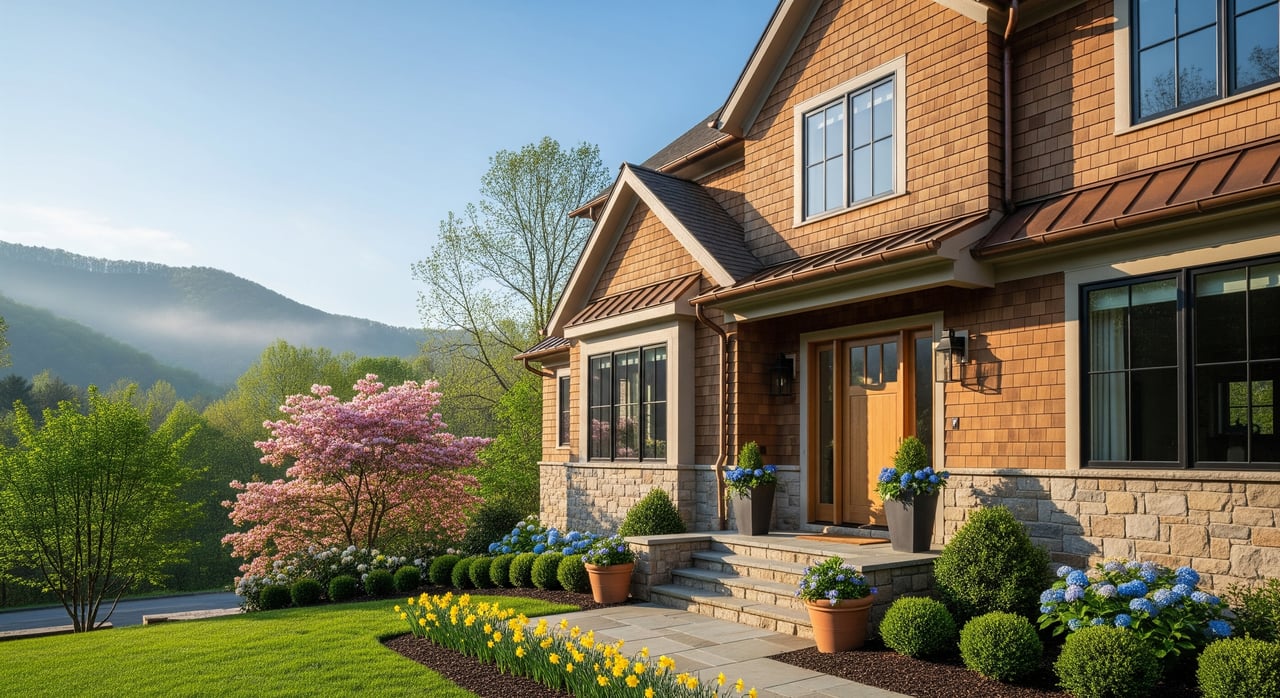
- Add mulch and appropriate spring plantings
- Confirm gutters and downspouts drain away from the home
Staging and photos
- Declutter, depersonalize, and deep clean
- Use off-site storage for excess furniture
- Hire a professional stager or follow agent guidance
- Book professional interior, exterior, twilight, and aerial photography
- Prepare for a virtual tour or 3D scan if available
Show readiness
- Set showing instructions and lockbox plan
- Create pet and plant plan for showings
- Prepare a buyer info sheet with utility costs, taxes, HOA rules, and nearest services
- Build email lists and materials for broker and public open houses
Your marketing launch plan
Pre-list: 2–3 weeks out
Share a compliant Coming Soon tease and notify local brokers who work with mountain and second-home buyers. Finalize photography, floor plans, feature sheets, and neighborhood info. Prepare email and social media assets.
Launch day: MLS live
Enter the MLS with a full photo set, 3D tour, drone shots, and a detailed description that highlights access, views, utilities, and seasonal context. Follow MLS rules for distribution to consumer sites. Send an email blast to your database and buyer leads, and post on social channels with a strong photo carousel.
First 7–14 days: Maximize momentum
Host a broker’s open and your first public open house the first weekend after launch. Consider a second weekend if traffic is strong. If you invest in paid ads, target nearby metros where second-home buyers often originate, and follow all advertising rules. Follow up quickly with every lead and track feedback.
Ongoing: Weeks 3–6
Use retargeting to reach people who engaged with the listing. Send weekly status updates to your database and highlight any changes. If you listed before peak foliage, add refreshed exterior photos after leaf-out. If traffic softens, review price positioning, staging, and marketing channels.
When should you list in spring?
Aim to be market-ready as buyer traffic rises in early to mid-spring. In mountain communities like Murphy, waiting a bit for greener landscaping and safer access can lift curb appeal. Weigh the benefits of early exposure against the value of peak visuals. A local market analysis and recent activity trends can help you choose the best week to launch.
Ready to map out your spring sale? Get a market analysis, a clear timeline, and a launch plan that fits your property and goals. Reach out to the Donna Srabian Team for local guidance, broad marketing reach, instant listing alerts, and a free market report.
FAQs
What is the best month to list a home in Murphy?
- Early to mid-spring often brings rising buyer activity, but in the mountains you may get better curb appeal slightly later as greenery fills in; choose a launch date that balances exposure and visuals.
How early should I start preparing my Murphy mountain home?
- Begin in January with analysis, inspections, and contractor scheduling so repairs, staging, and photography are ready for a March to April launch window.
Do I need a pre-list home inspection for a rural property?
- A pre-list inspection can surface issues with roofing, septic, wells, or access that are common in rural areas, reducing surprises and helping you price with confidence.
How should I time photos for views and greenery?
- If views and natural landscaping are key, schedule exterior and aerial photos after leaf-out and spring cleanup, or plan to refresh exteriors later if you must list earlier.
Which updates deliver the best ROI before selling in Murphy?
- Prioritize safety and systems first, then focus on high-impact cosmetics like neutral paint, minor flooring fixes, and simple hardware or lighting updates.
How can I keep showings smooth on mountain roads in spring?
- Keep the driveway graded and clear, confirm access details in the listing, and provide clear parking guidance so buyers arrive safely and with a good first impression.