Buying a piece of the mountains is exciting, but financing land in Murphy works differently than buying a house. Lenders look closely at terrain, access, utilities, and septic feasibility, which can change your loan options and timeline. You want a smooth path from offer to closing without surprises. In this guide, you’ll learn the financing options that work in Cherokee County, what lenders expect, how to get pre-approved, and a step-by-step checklist to move forward with confidence. Let’s dive in.
Why land financing in Murphy is different
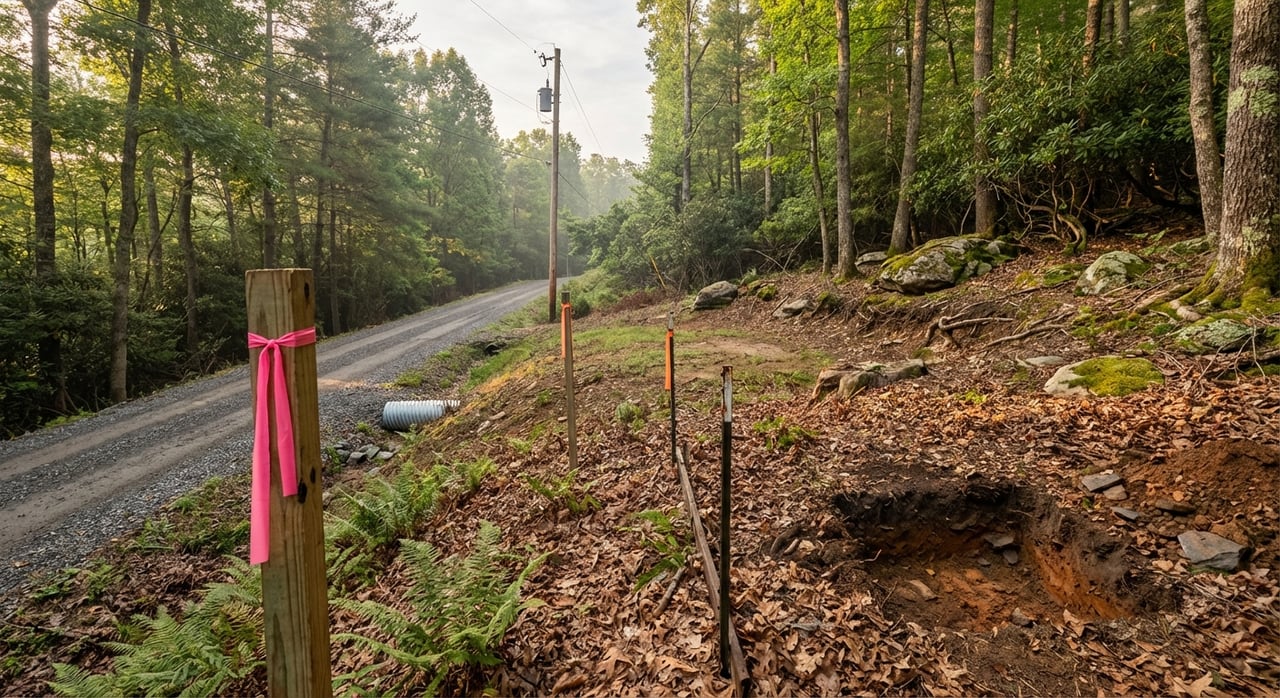
Murphy’s rural, mountain terrain affects buildability and costs. Steep slopes, long driveways, and erosion control can add time and money to a project, and lenders factor that into approvals. Many parcels rely on private wells and septic, and lots without proven utility options are harder to finance.
Zoning, permits, and recorded access also matter. You need clear, legal access, not just a trail to the property. Lenders want to know the land is buildable for the use you have in mind and that restrictions or covenants will not block your plans.
The market here is smaller and more local. Community banks, credit unions, and regional Farm Credit associations often play a larger role than national lenders, which can benefit you if your parcel is unique.
Your main financing options
Cash
If you want the fastest path to closing or are buying a hard-to-finance parcel, cash is strong. You avoid lender contingencies and can often close in days or a few weeks. The tradeoff is tying up capital.
Conventional lot or vacant land loans
These loans are designed for lots you plan to build on in the future. Expect larger down payments than a home mortgage, shorter terms, and higher interest rates. Lenders may request a survey, proof of legal access, a perc test or septic plan, and evidence of utilities. They can be harder to secure for raw or unimproved land.
Construction-to-permanent loans
This is one loan that funds construction and then converts to a long-term mortgage after the home is built. You will need builder plans, a budget, permits, and inspections. It can simplify your path from building to a permanent loan if you are ready to start construction.
Portfolio loans from community banks or credit unions
Local lenders sometimes keep loans in-house and can tailor terms to rural parcels. This flexibility can help when a property is atypical or when national lenders will not lend. Terms vary, so it pays to shop and present a clear plan.
Farm Credit and rural lenders
Farm Credit associations specialize in rural, agricultural, timber, and recreational land. They understand the value of acreage and often offer competitive terms for eligible uses. Best terms may require some form of agricultural intent or use.
USDA programs: when they apply
USDA mortgages support buying a home in an eligible rural area, often with favorable terms. They typically do not finance vacant land by itself. If you plan to build a home in an eligible area, ask about programs that combine land and home financing.
Seller financing
Some sellers will carry the note. This can offer flexible terms and faster negotiations, especially if banks are hesitant. Work with an attorney and title company, get everything in writing, and confirm title and access before you sign.
Private or hard-money loans
Private loans fund quickly and rely on the land as collateral. They usually come with higher rates, fees, and short terms. These are best treated as short-term solutions rather than long-term financing.
What lenders look for on Murphy land
Septic and well feasibility
If the parcel will need on-site wastewater, lenders often want a perc test or an approved septic design. Evidence that a well can be drilled, or that public water is available, also strengthens your file.
Survey and legal access
A current, recorded survey helps avoid boundary disputes. Lenders expect documented, recorded access such as a deeded right-of-way or a public road. Unrecorded or disputed access can stop a loan.
Utilities and improvements
You may need proof that electric, water, and sewer can be connected, or realistic plans and cost estimates for private systems. Private road and driveway maintenance arrangements also come up in underwriting.
Zoning, covenants, and easements
Confirm that the property’s zoning allows your intended use and that setbacks or restrictions will not block your plans. Covenants, HOAs, and conservation or utility easements can affect value and use.
Title, liens, and mineral rights
Title insurance is standard. Outstanding liens or unresolved rights can delay or derail closing. In rural areas, confirm whether mineral or timber rights are included.
Floodplain and environmental red flags
Know whether any part of the parcel is in a flood zone or includes wetlands. Past land uses may trigger environmental review on certain properties.
Appraisal and marketability
Appraisers need comparable sales. In a rural market, comps can be thin, and values may be conservative. Be ready for extra time on appraisal.
Your income, credit, and reserves
You will document income, assets, and credit, and some lenders may ask for cash reserves to cover development costs like driveways, septic, and erosion control.
Get pre-approved before you shop
Pre-qualification is a quick estimate based on self-reported info. Pre-approval verifies your income, assets, employment, and credit, and gives you a conditional letter subject to the property and appraisal. Pre-approval makes your offer stronger, speeds closing, and gives sellers confidence that you can perform.
For land purchases, seek pre-approval from lenders experienced in rural and lot loans. Share parcel details when you have them, such as the survey, access notes, and any perc test results. If you are pursuing seller financing, a bank pre-approval can still help you negotiate and keep refinance options open.
Timelines and costs to expect
Cash purchases are often fastest, about 7 to 21 days depending on title work. Vacant land or lot loans usually take 30 to 60 days or more due to appraisal and site checks. Construction-to-permanent loans often start at 60 days for the construction phase and convert after final inspections. Seller financing can move quickly if documents are ready. Private or hard-money loans may fund in days to weeks but come with higher costs.
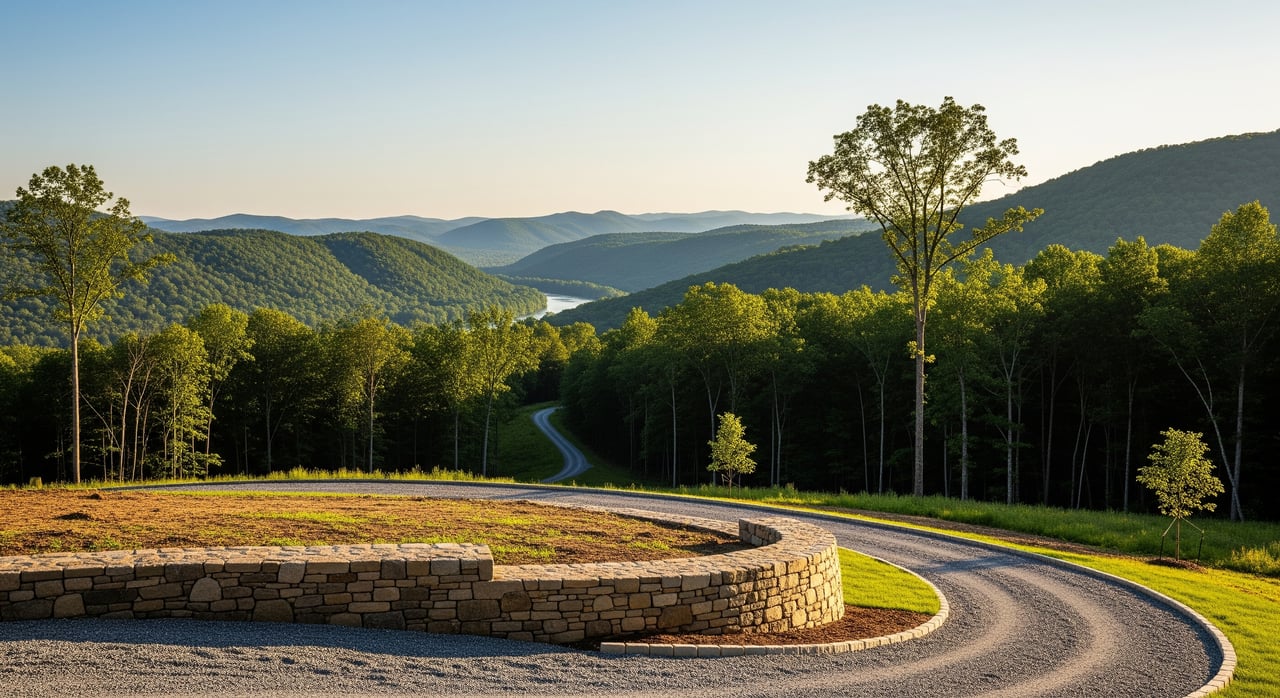
Expect larger down payments and higher interest rates than you would see on a home mortgage. Budget for surveys, soil testing or engineered septic plans, title insurance, and local recording or permit fees. In mountain settings, also plan for driveway and road work, grading, retaining walls, well and septic, and erosion control.
Step-by-step checklist for Murphy land buyers
Get pre-approved with a lender experienced in rural and lot financing, such as a local community bank, credit union, or Farm Credit.
Order or review a current survey and confirm recorded, legal access.
Schedule a perc or soil test, or confirm septic feasibility, and check well options or public water availability.
Contact Cherokee County Planning and Zoning or Building Inspections to confirm zoning, setbacks, and permit requirements.
Check floodplain and wetland maps and note any insurance or buildability impacts.
Confirm utility availability and get written estimates for bringing services to the site.
Review a preliminary title report and plan for title insurance. Check for easements, covenants, or liens.
If considering seller financing, involve a real estate attorney and a title company to draft and record a safe agreement.
Budget for mountain-site costs such as driveway construction, septic, well, erosion control, and culvert permits.
Walk the land with a builder or septic contractor to estimate real build costs before you finalize your offer.
Documents to gather for pre-approval
- Two years of tax returns if self-employed, or recent W-2s and pay stubs.
- Bank statements and asset verification.
- Photo ID and social security number.
- A list of debts and monthly obligations.
- Parcel details if available: address or parcel number, survey, listing sheet, and perc test results.
Local contacts to have on your list
- Cherokee County Planning and Zoning
- Cherokee County Building Inspections
- Cherokee County Tax Assessor
- Local health department for onsite wastewater guidance
- Local Farm Credit association
- Community banks and credit unions active in Cherokee County
- USDA Rural Development offices for rural mortgage eligibility questions
Common pitfalls to avoid
- Assuming any parcel can be financed without plans or utility proof. Many lenders will not finance raw land without clear feasibility.
- Underestimating mountain site costs. Driveways, grading, retaining structures, and septic design can add up quickly.
- Ignoring title or access issues. Unrecorded or disputed access can stop both financing and future use.
- Overpaying in thin markets. Appraisal gaps are more common when comparable sales are limited.
- Relying only on national lenders. Local portfolio lenders or Farm Credit often fit Murphy parcels better.
Local guidance that shortens your path
Buying land here is different, but it does not have to be difficult. With the right lender and a clean due diligence plan, you can fund your site with confidence and start building your mountain life. If you want a curated list of land-ready lenders, on-the-ground help with perc tests and surveys, and instant updates on new lots, our team is ready to help.
Reach out to the Donna Srabian Team to get matched with local financing options, set up instant listings, and request your free market report.
FAQs
What are my best loan options for buying land in Murphy?
- Options include conventional lot loans, construction-to-permanent loans, local portfolio loans, Farm Credit, seller financing, and private loans. The right fit depends on your plans, utilities, and timeline.
How much down payment do I need for a land loan?
- Expect larger down payments than a typical home mortgage, especially for raw land. Exact requirements vary by lender and whether the parcel is improved or unimproved.
Do I need a perc test before applying for a land loan?
- Many lenders want a successful perc test or an approved septic design when the parcel relies on onsite wastewater. Getting this early can speed underwriting and reduce risk.
Can I use a USDA loan to buy vacant land in Cherokee County?
- USDA programs generally finance a home in an eligible rural area rather than vacant land by itself. They can be an option when the land purchase is combined with a qualifying home plan.
How long does closing take for a land purchase in Murphy?
- Cash deals often close in 7 to 21 days. Lot loans commonly take 30 to 60 days or more due to appraisal and site checks. Construction-to-permanent loans start around 60 days for the initial close.
What makes a parcel hard for banks to finance?
- Lack of legal access, no septic feasibility, uncertain utilities, zoning conflicts, title issues, and limited comparable sales can all make financing difficult or more expensive.