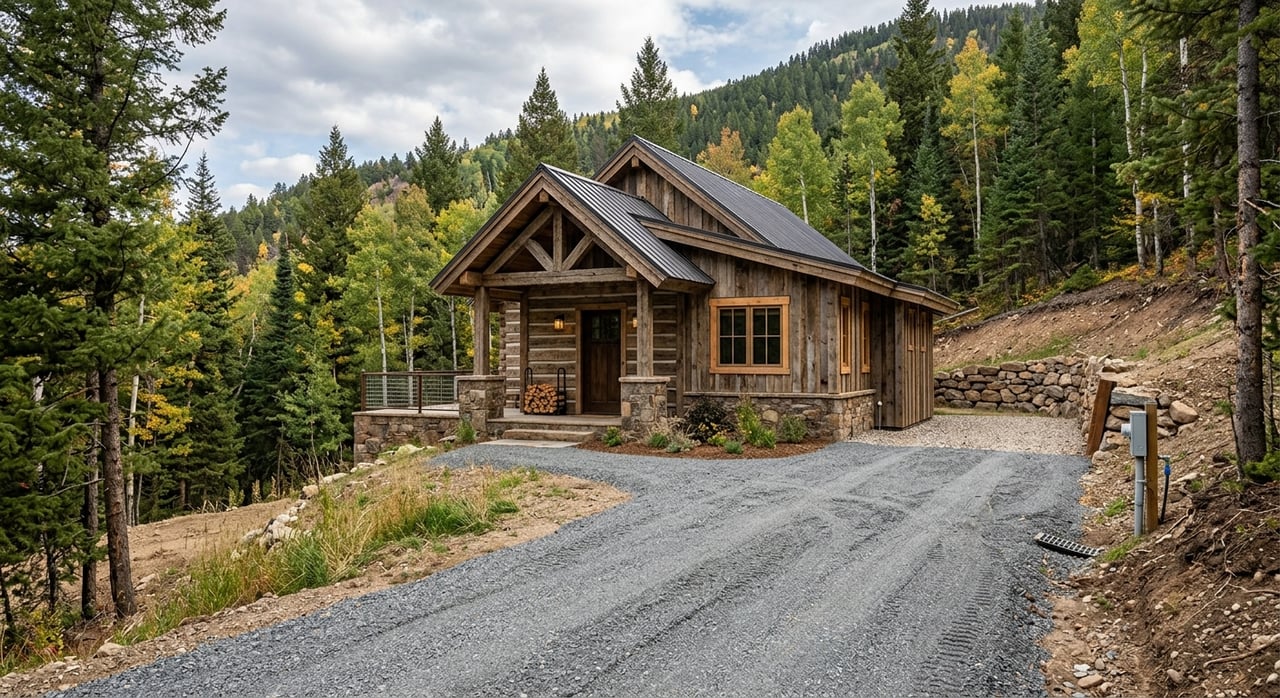
Dreaming about a future cabin near Blue Ridge is easy. Finding a piece of land that can actually support that cabin is the part that takes planning. If you want mountain views, privacy, and a smoother path to building, it helps to know what to check before you buy. Let’s dive in.
Start With the Property’s Jurisdiction
One of the first questions to answer is simple: is the land inside Blue Ridge city limits or in unincorporated Fannin County? That answer shapes the approval path from the start.
If the parcel is inside the city, Blue Ridge Planning and Zoning handles the process, and the city recommends a pre-application meeting with its Development Team. Zoning matters may also go through the Planning Commission on a monthly schedule, which can affect your timeline.
If the parcel is outside the city in unincorporated Fannin County, the county Building Department and Land Development office are usually your starting points. They handle building permits, land disturbance permits, subdivision review, and right-of-way questions.
For buyers, the takeaway is clear: not all Blue Ridge-area land follows the same rules. A beautiful lot near town may still have a very different process depending on which side of the jurisdiction line it sits on.
Why Raw Land Takes More Time
Buying land for a future cabin often sounds more flexible than buying an existing home. In reality, it usually takes longer to move from contract to construction.
That is because you may need to confirm the survey, review access, verify deed records and easements, check utility options, evaluate septic or well needs, and work through permits and inspections. In Fannin County, construction should not begin until the permit is approved and issued.
If your goal is to buy now and build later, that can still be a smart plan. You just want to go in with realistic expectations about timing, cost, and due diligence.
Check Access Before You Fall in Love
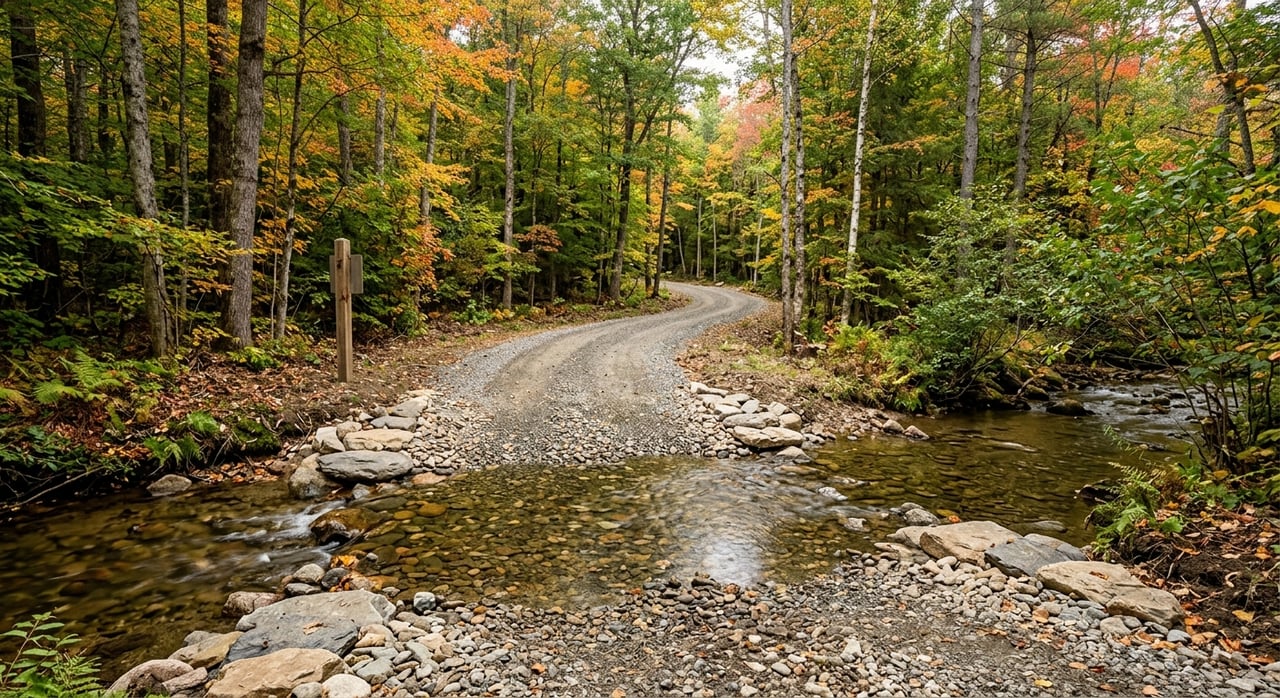
A scenic parcel is not enough if getting to it is complicated. Access is one of the most important parts of a land purchase near Blue Ridge.
Fannin County’s permit checklist asks for exact directions, marked property lines, and a survey if one exists. If you plan to add a new driveway that connects to a county road, a driveway permit may also be required.
Private roads deserve extra attention. Fannin County’s land-development materials make it clear that private roads are a separate issue, and you should not assume the county will construct or maintain them.
What to Confirm About Access
- Whether the road frontage is on a county road or a private road
- Whether a driveway permit may be needed
- Whether the property lines are clearly marked on the ground
- Whether recorded access easements exist if direct road frontage is limited
This is one of those details that can change the value and usability of the land quickly. A lot with uncertain access can become much more expensive and stressful than it first appears.
Review Title and Easements Early
Mountain land can come with recorded easements, plats, or restrictions that affect how you use the property. Before you finalize an offer, it is important to compare what you see on the ground with what is recorded.
In Fannin County, the Clerk of Superior Court’s real-estate division records and indexes deeds, plats, easements, liens, and related documents. That makes it a key local source for checking the legal history tied to the parcel.
This step matters because a future cabin site may depend on a recorded access easement, utility easement, or plat detail that is not obvious during a casual showing. Land purchases are won or lost in the details, and title review is one of the biggest details to get right.
Verify Utilities, Don’t Assume Them
Many buyers see a parcel near Blue Ridge and assume water or sewer will be easy to connect. That is not always the case.
The City of Blue Ridge Utility Department provides water and wastewater service to the city and parts of Fannin County, but the city states that service is only available where utilities exist. The city also clearly separates utility approvals from land-development approvals, which means a site plan approval does not automatically confirm utility capacity.
Outside city service areas, the Fannin County Water Authority may provide water-service opportunities in the county. If public water is not available, you may need to plan for a private well.
Utility Questions to Ask
- Is city water available at this parcel?
- Is county water available here?
- If public water is not available, can the lot support a private well?
- Is wastewater service available, or will the property need septic?
- Has utility availability been confirmed directly with the proper local office?
This is a major step for future cabin buyers because utility costs can affect both your budget and your build timeline.
Understand Septic, Wells, and Terrain
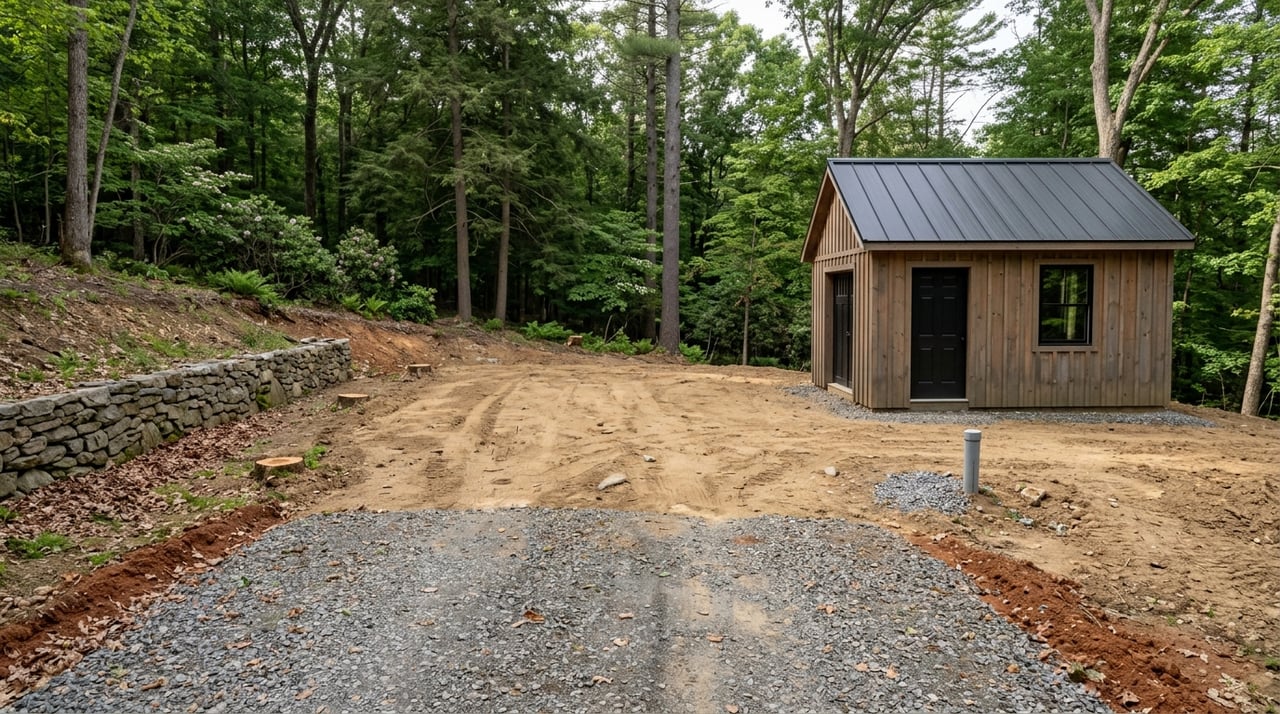
A lot that looks perfect from the road may still have site challenges. In the Blue Ridge area, slope, soil, drainage, and proximity to water can all affect whether a cabin site works well.
Georgia public health guidance notes that onsite sewage decisions depend on soil and site review. Fannin County Environmental Health tells buyers to contact the local office for lot-sizing requirements, and Georgia also points buyers to certified installers, pumpers, and soil classifiers, including Level III soil reports.
If the parcel will need a private well, Georgia requires wells to be installed by a licensed water well contractor, and the county health department must be notified before drilling. For ongoing ownership, private well owners are advised to test for bacteria annually and complete chemical screening every three years.
Steep or disturbed mountain sites may bring added review and cost. Fannin County Land Development addresses soil erosion, water pollution, and related compliance issues, and the county checklist also flags floodplain review when applicable.
Site Conditions That Can Affect a Cabin Build
- Steep slopes
- Difficult soil conditions for septic approval
- Floodplain concerns
- Parcels near streams or state waters
- Erosion-control needs on disturbed land
If you are shopping for privacy or long-range views, these checks become even more important. The most attractive mountain parcel is not always the easiest one to build on.
Build a Realistic Timeline
If you are buying land now for a cabin later, timeline planning can save you frustration. Raw land projects near Blue Ridge are usually multi-month efforts, not quick close-and-build situations.
In Fannin County, the process does not stop with permit approval. Inspections then move through stages such as foundation, slab, framing and plumbing, rough electrical, final electrical, and final inspection before occupancy.
Inside Blue Ridge city limits, zoning matters may also move through the city’s monthly Planning Commission process. That means the calendar itself can affect how quickly you move forward.
A Simple Cabin-Land Timeline
- Confirm whether the land is in the city or county
- Review survey, access, title, and easements
- Verify water, wastewater, septic, or well options
- Check terrain, floodplain issues, and any site-plan needs
- Apply for permits through the correct local office
- Wait for approval before starting construction
- Move through required inspections before occupancy
This does not mean land is a bad option. It simply means that buying wisely requires patience and a clear plan.
Line Up the Right Local Pros Early
The best land buyers do not wait until after closing to assemble help. They build their team early so questions get answered before the deal moves too far.
For a future cabin near Blue Ridge, that often includes a land surveyor, a septic installer or soil classifier, the correct city or county permit office, and a title professional or attorney. If the property will use a private well, local testing guidance can also come from county health resources and the Fannin County Extension office.
Having the right people involved early can help you avoid expensive surprises. It also gives you a better sense of whether a parcel fits your budget, timeline, and long-term plans.
Smart Buying Strategy for Blue Ridge Cabin Land
When you buy land near Blue Ridge, you are not just buying scenery. You are buying the possibility of a future build, and that possibility depends on facts you can verify.
A strong strategy is to treat every parcel like a project in the early stages. Confirm jurisdiction first, then access, title, utilities, septic or well needs, and terrain-related concerns.
That approach helps you focus on land that fits your vision and reduces the risk of buying a lot that looks great online but creates problems later. With mountain property, clear guidance and careful due diligence go a long way.
If you are exploring land near Blue Ridge for a future cabin, the right local guidance can help you sort through acreage, access, utility questions, and next steps with confidence. Reach out to the Donna Srabian Team for practical help as you search for the right mountain property.
FAQs
Can you start building right after buying land near Blue Ridge?
- No. In Fannin County, construction should not begin until the permit is approved and issued.
Does land near Blue Ridge automatically have utility service?
- No. The City of Blue Ridge states that service is only available where utilities exist, and utility approval is separate from land-development approval.
What should you check if a Blue Ridge-area lot is on a private road?
- You should confirm access and maintenance responsibility carefully, because you should not assume the county will construct or maintain a private road.
Why does septic matter when buying land in Fannin County?
- Septic approval depends on soil and site review, so a parcel may not be as build-ready as it looks without that confirmation.
What can slow down a future cabin build near Blue Ridge?
- Common factors include survey review, access questions, easement research, utility verification, septic or well planning, floodplain review, and the permit and inspection process.