Thinking about buying a Blue Ridge cabin to use as a short‑term rental? You are not alone. The area’s mountain views, trails, festivals, and easy weekend access keep visitors coming. In this guide, you will learn how demand and seasonality work, what permits and taxes apply in the City vs the County, what costs to budget, and how to stress‑test cash flow before you buy. Let’s dive in.
Why Blue Ridge works for STRs
Blue Ridge benefits from strong regional tourism linked to outdoor recreation, local events, and scenic drives. The local tourism office reports rising digital engagement and ongoing marketing support in 2024, which signals steady demand for cabin stays. You can see that trend in the chamber’s latest summary on Visit Blue Ridge’s year in review.
Market data backs this up. AirDNA’s Blue Ridge overview shows roughly 46% occupancy, an Average Daily Rate around $348, and market‑average annual revenue in the low to mid $40,000s per listing. Use these as a starting point, and then pull address‑level data before you underwrite a specific cabin. You can view market‑level benchmarks on AirDNA’s Blue Ridge overview.
Seasonality is real. Fall leaf season, especially October, is typically the top month, while summer weekends also perform well. Many listings target 2 to 4‑night stays from regional drive markets, so expect strong weekends and lighter midweek demand.
City vs County rules
Before you write an offer, confirm whether the property sits inside the City of Blue Ridge or in unincorporated Fannin County. The rules, taxes, and permits differ.
Inside City of Blue Ridge
The City has a Short‑Term Vacation Rental Ordinance and limits STR use by zoning. In practice, STRs are allowed in specified commercial zones and are not broadly permitted across residential zones. The City requires registration, an annual permit, and compliance with operating standards like visible 911 signage, posted contact information, and occupancy rules. Review the City’s ordinance and forms on the City of Blue Ridge STR page. Always confirm zoning on a specific parcel and ask whether any existing permit is grandfathered.
Unincorporated Fannin County
Fannin County requires an Accommodation Excise Tax Certificate for STRs. The ordinance outlines safety and operations standards, including 24/7 local contact responsiveness, E‑911 address signage, smoke and CO detectors, fire extinguishers, and trash service. The commonly cited certificate fee is $225 per dwelling unit for new or renewal, transfer and late fees can apply, and the County’s lodging tax is 6%. Violations can result in fines, including penalties up to $1,000 per day for unpermitted rentals, and suspension or revocation is possible after repeat violations. Review the official rules in the Fannin County STR ordinance and confirm current fees and deadlines with county staff.
For remittance and due dates, the County publishes returns guidance and an online portal. You can find details on the Fannin County lodging tax page.
State tax and marketplaces
Georgia treats certain platforms as marketplace innkeepers. Some state and local lodging taxes and the state hotel‑motel fee may be collected by the platform for bookings. Owners are still responsible for registration and for confirming local remittance with the County or City. Review the Georgia Department of Revenue bulletin on marketplace innkeepers in the state hotel‑motel fee guidance.
What to expect for revenue
Market averages as a baseline
AirDNA’s Blue Ridge summary is a helpful snapshot: about 46% occupancy, ADR near $348, and average annual revenue in the low to mid $40,000s per listing. Treat these as baselines. Actual performance will swing up or down based on bedroom count, mountain or water views, driveway access, and amenities.
Seasonality and stay patterns
Peak demand clusters in fall and around summer weekends. October is often the best month in the region. Many cabins book 2 to 3‑night stays from nearby metros, so you will see strong weekend occupancy and softer midweek, especially in winter. Budget your reserves with that rhythm in mind.
Amenities that move the needle
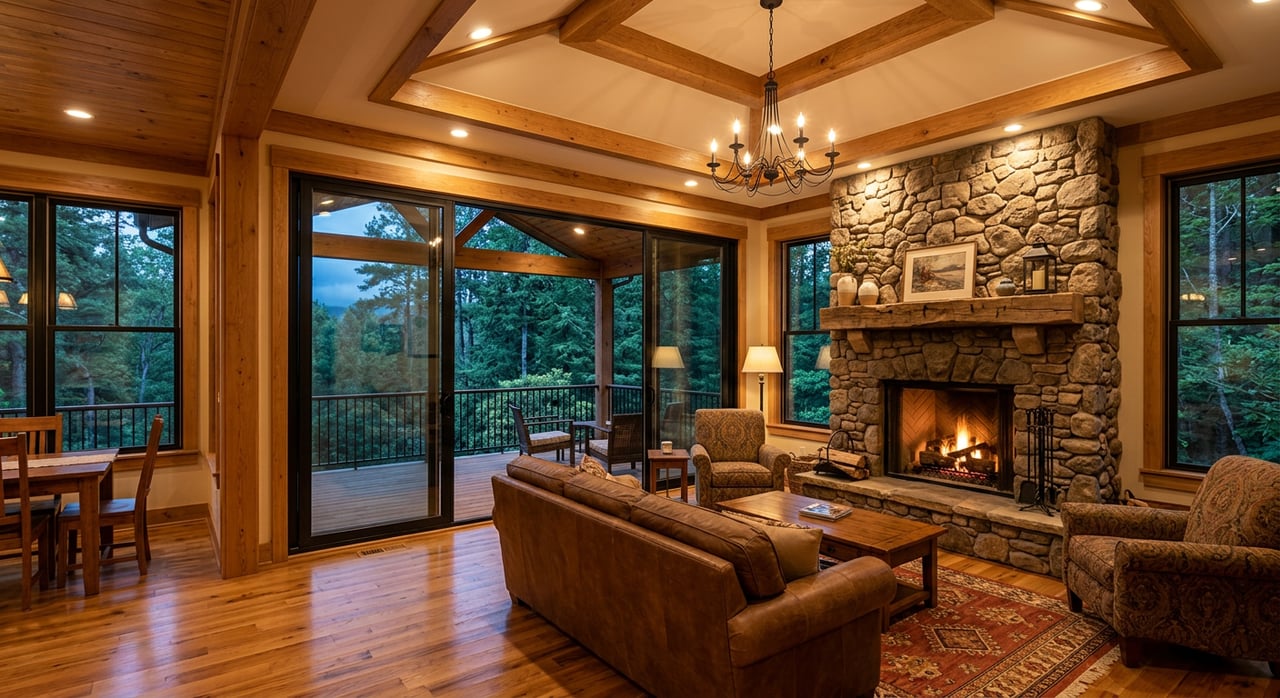
Amenities make a measurable difference. Hot tubs, game rooms or multiple living areas, quality interiors, water access or mountain views, and reliable internet tend to command higher ADRs and more bookings. Cabins without these features usually trade at a discount.
Costs and taxes to budget
Your net cash flow depends on both revenue and a realistic operating budget. Here are the common cost buckets to include:
- Platform fees. Airbnb and Vrbo use different structures. Host‑side fees often land from the high single digits to the mid‑teens percent of the booking subtotal. Read a breakdown of typical host fees in this Airbnb vs Vrbo fee comparison.
- Professional management. Full‑service management commonly runs 20% to 30% of gross rental revenue in many markets. Hybrid or marketing‑only options can be around 10%. Use the management percentage as a major sensitivity in your pro forma. See typical ranges in this property management cost resource.
- Cleaning and turnover. Cleaning is charged per stay. For cabins, common ranges are $75 to $250 depending on size and amenities. Your annual cleaning spend depends on the number of turnovers you target.
- Maintenance, utilities, and reserves. Mountain cabins have higher upkeep, including HVAC service, hot tub care, septic pumping, driveway work, and winter prep. Many owners start with a 5% to 10% reserve against gross revenue and adjust for age and condition.
- Taxes and fees. Budget the state sales tax components, the Georgia hotel‑motel fee of $5 per night, the Fannin County accommodation tax of 6%, and any additional City lodging tax if the cabin is inside City limits. Platforms may collect some items automatically, but you must still register and verify remittance. Review the state hotel‑motel rules and the Fannin County lodging tax guidance.
- Insurance. Fannin County requires owners to carry property and short‑term rental liability insurance that covers STR use. Platform protections do not replace an owner’s policy. This requirement appears in the County STR ordinance.
Risks to plan for
- Regulatory risk. City zoning limits and County certificate requirements can block STR use on certain parcels. Always confirm zoning and permit status with staff and get it in writing. Start with the City STR page and the County ordinance.
- Natural hazard and access risk. Storms can close key attractions and roads. After Hurricane Helene in 2024, portions of the Blue Ridge Parkway experienced closures that affected visitation. See an example of Parkway closure notices. Build a downside case for reduced ADR and occupancy during recovery periods.
- Market saturation. AirDNA shows thousands of active listings in the broader Blue Ridge area. Undifferentiated cabins face price competition. Plan amenity upgrades with realistic expectations for occupancy gains.
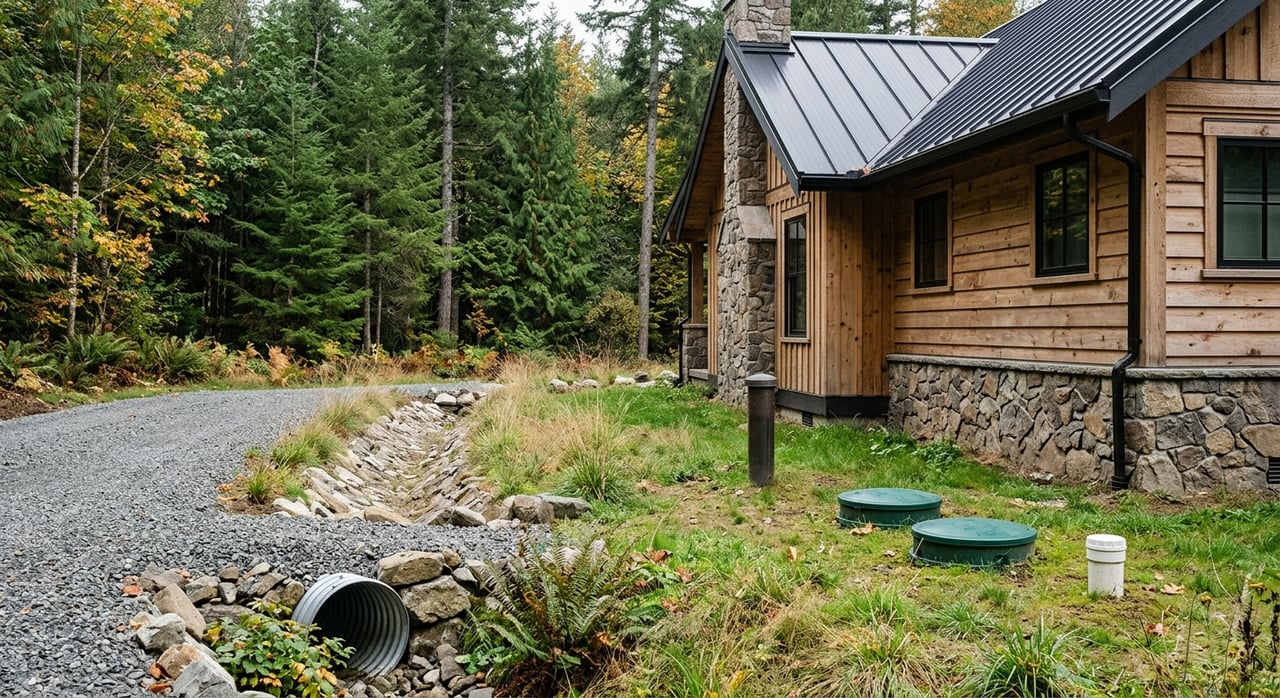
- Operational risk. Mountain systems fail more often. Septic issues can trigger certificate suspension under County rules. Verify septic permits and inspection history and keep up with service.
Due diligence before you offer
Use this checklist to protect your upside and reduce surprises:
- Confirm jurisdiction and zoning. Determine if the parcel is inside City limits or in unincorporated Fannin County. Request a written zoning determination from the City Planning Department or County Planning Office. Start with the City STR information and forms.
- Verify STR certificate status. Ask the seller for the current City or County certificate number, whether it is grandfathered, and what happens on transfer. Confirm directly with the County lodging office.
- Check tax and remittance history. Request seller reports showing sales tax, the state hotel‑motel fee, and County (and City, if applicable) lodging taxes. Review filing deadlines on the Fannin County lodging tax page.
- Review HOA or deed restrictions. If in a subdivision or HOA, read the covenants for any STR or minimum‑lease rules. The County requires owners to affirm STR use is not restricted.
- Inspect on‑site systems and safety. Gather septic records, ensure required smoke and CO detectors and fire extinguishers are present, verify E‑911 signage, confirm active trash service, and test internet or a dedicated phone line for emergency calls. See the requirements in the County STR ordinance.
- Confirm insurance. Obtain the seller’s policy details and claims history. Quote STR‑specific property and liability coverage that meets County requirements.
- Pull comparable performance. Order a property‑level STR report (AirDNA or similar) for your address and compare to nearby comps with similar bedroom count, views, and amenities. Market averages are not enough. Start with AirDNA’s market page.
- Get operating quotes. Collect at least two local management proposals and one cleaning estimate. Use a realistic management percentage and per‑turn cleaning cost in your budget. For common cost ranges, see this management cost resource.
- Run a stress test. Model revenue at ADR minus 10% to 25% and occupancy below market by 10% to 20%. Include startup costs like photography, safety upgrades, signage, keyless locks, and initial linens.
Quick cash flow model
- Start with a local gross revenue estimate from a property‑level report or the market average for similar cabins.
- Subtract pass‑through taxes and platform fees.
- Subtract operating costs: management, cleaning per turnover, utilities, insurance, maintenance, and any HOA dues.
- Add a conservative reserve for vacancies and repairs. Aim for a model that still works during winter and midweek slow periods.
Ready to explore cabins?
If you want a clear path from search to closing, you need local guidance on zoning, permitting, and realistic performance. Our cross‑border mountain expertise and full‑service approach can help you target the right neighborhoods, request the right documents, and build a smart pro forma. For on‑the‑ground help and instant access to new listings and a free market report, reach out to the Donna Srabian Team.
FAQs
Do Blue Ridge cabins have strong weekend demand?
- Yes. Visitor patterns and market data point to strong weekend and fall season bookings, with October often a top month, and softer midweek and winter occupancy.
What are the City of Blue Ridge STR rules?
- The City limits STRs to specific commercial zones, requires registration and an annual permit, and enforces standards like 911 signage and occupancy rules. Start with the City’s STR page and confirm zoning for the parcel.
What permit is required in unincorporated Fannin County?
- You need an Accommodation Excise Tax Certificate. The County ordinance covers safety equipment, a 24/7 local contact, trash service, and more. Fees and the 6% lodging tax apply.
Will Airbnb or Vrbo collect my taxes for me?
- Under Georgia’s marketplace rules, platforms may collect some state and local lodging taxes and the state hotel‑motel fee. You must still register locally and confirm remittance with the County or City.
How much should I budget for management and platform fees?
- Many full‑service managers charge about 20% to 30% of gross revenue. Host‑side platform fees often fall from the high single digits to the mid‑teens percent of booking subtotal. Get local quotes and include them in a sensitivity test.
What can get an STR certificate suspended?
- Common triggers include unpaid taxes, repeated nuisance violations, septic failures, and missing safety equipment or unresponsive local contacts, as outlined in County and City rules.