Ever picture yourself on a wide porch with mountain views and a crackling fire inside? If a cozy Blue Ridge cabin has been on your mind, you are not alone. Many buyers look here for a weekend escape, a second home, or a carefully run rental. In this guide, you will learn how the market works, what areas fit different lifestyles, the basics of financing, and the due diligence that protects your investment. Let’s dive in.
Why Blue Ridge works for cabin buyers
Blue Ridge sits about 90 to 100 miles from Atlanta, usually a 1.5 to 2 hour drive via I‑75 to I‑575 to GA‑515. That quick reach from the city keeps weekend trips easy and supports steady demand. If you want a simple door-to-door plan, review this overview of the drive from Atlanta to Blue Ridge for timing and route context. According to this Atlanta resource, the trip is straightforward for most travelers.
Recreation is the heartbeat here. Lake Blue Ridge offers boating, fishing, and beautiful shoreline with forested backdrops. For an at-a-glance take on the lake’s draw, check this brief overview from Southern Living. On land, the Aska Adventure Area brings hiking and mountain biking close to town, and many cabins advertise quick trail access. Get a feel for the area’s trail system on the Aska Adventure Area page.
Downtown Blue Ridge is compact and lively, with restaurants, shops, galleries, and train tourism. Cabins within a short drive to downtown often command a premium for convenience, especially during leaf season and summer.
What your budget buys
Zillow’s home-value indices place Blue Ridge around the upper $400s to low $500s for a typical home and Fannin County just under that range. Individual cabin prices vary from small, simple properties under $300k to luxury or lakeview homes above $1M. View quality, lake proximity, and true “minutes to downtown” access can all move the needle.
If you are browsing online, remember that cabins are a distinct micro-market. Pulling recent MLS comps for cabin-style homes near your target area will give you a much clearer read. Your agent should help you compare apples to apples on setting, build style, utilities, and amenities.
Cabin settings and tradeoffs
In-town and near-town cabins
These are popular if you want easier year-round access and closeness to services. Lots tend to be smaller, and some homes may have municipal water and sewer. Expect higher buyer interest for homes that keep errands and dinners out simple.
Mountainside cabins in Aska and Cherry Log
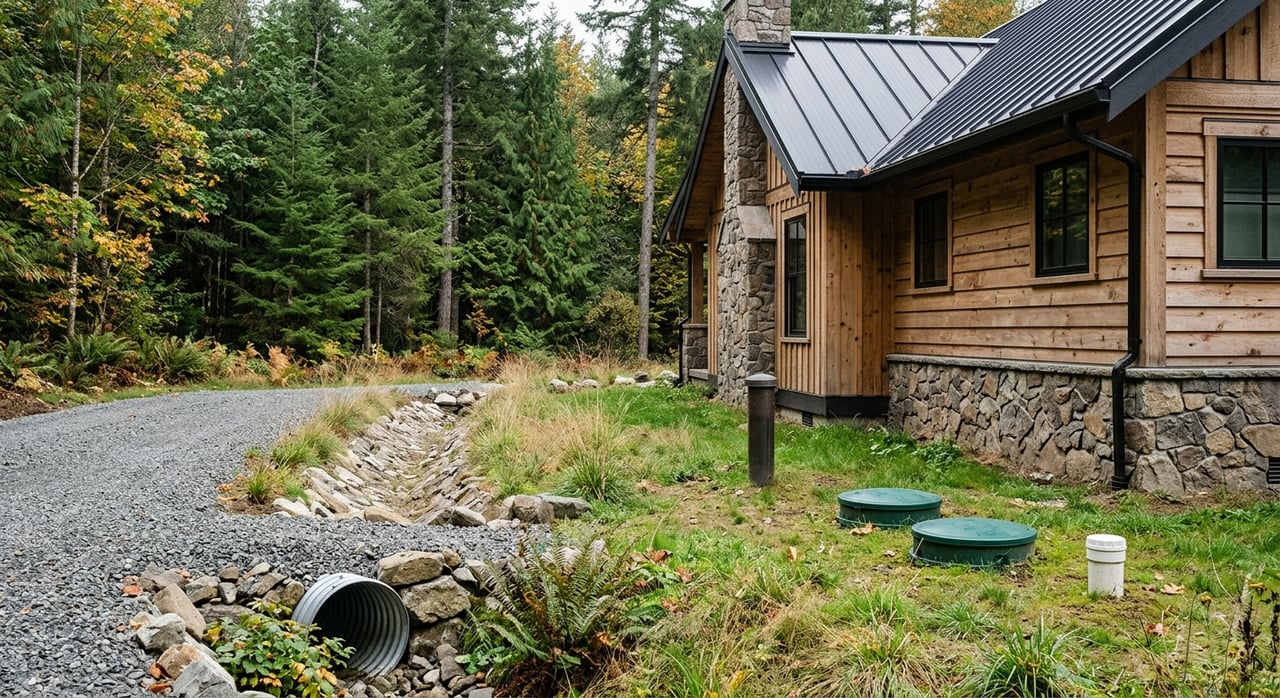
Forest views, ridgeline outlooks, and privacy are common, and many homes sit on steeper terrain. Private wells and septic systems are the norm outside town. Unpaved roads are common, so factor in seasonal access, storm runoff, and grading.
Lakefront and lakeside cabins
Lake access and dock potential create a price premium. Know that shoreline areas include public lands and management rules, which can affect docks, setbacks, and improvements. Confirm easements and any lake-specific guidelines before you rely on dock access or boat storage.
Short-term rentals and local rules
If you plan to offer nightly rentals, start with location and permits. Unincorporated Fannin County uses a formal Short‑Term Vacation Rental ordinance that sets standards and requires registration plus lodging tax compliance. You can review the current county rules in the Fannin County STVR Ordinance and see tax forms and instructions on the county’s Lodging Tax Information page.
Inside the City of Blue Ridge, rules differ. STRs are limited by zoning and may be allowed only in certain districts, with their own certificate and tax steps. For a practical overview of the city framework, see this Blue Ridge city STR guide. Always confirm final steps with City Hall before counting on rental income.
A quick note on taxes: platforms may collect state sales tax, but you remain responsible for any county or city lodging taxes. Build this into your projections from the start.
Financing a Blue Ridge cabin
How you plan to use the property affects your loan. If it is a true second home, many lenders treat it as a second‑home mortgage. Expect stronger credit and cash reserve tests than a primary residence and a typical down payment that starts around 10 percent, with 15 to 20 percent common for better terms. If your lender classifies it as an investment because of frequent short-term rentals, expect higher standards and larger down payments. For a plain‑English overview, see this guide to qualifying for a home loan.
Some buyers use cash, a cash‑out refinance, or a portfolio or DSCR‑style loan, especially if they plan active STR operations. Whatever path you take, get pre‑qualified with a lender who understands mountain properties, wells and septic, appraisals for cabins, and occupancy tests. This second‑home financing guide is a helpful starting point to frame your lender questions.
Utilities, access, and permits
Power: Most properties are served by Blue Ridge Mountain EMC. If you are looking at a remote lot or off-grid‑adjacent property, confirm service availability and any connection fees early with Blue Ridge Mountain EMC.
Water and sewer: Inside city limits you may find municipal service. Outside town, most homes use private wells and septic. A permitted, functioning septic system with a clear installation record matters for financing and health. Check the Fannin County Building Department for septic and permit guidance.
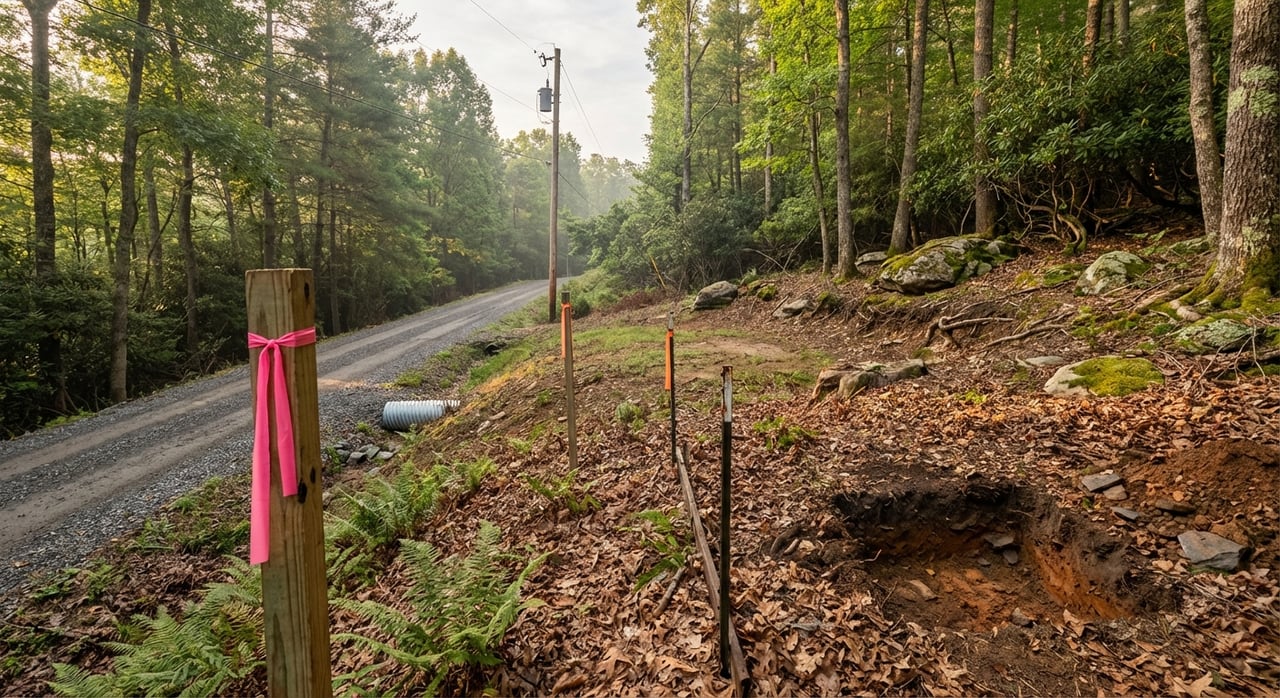
Roads and driveways: Many mountain roads are private and sometimes unpaved. Ask who maintains the road, how costs are shared, and whether there is a written agreement. On steeper roads, plan for gravel upkeep and consider all‑wheel drive in wet or icy months.
Ownership and maintenance realities
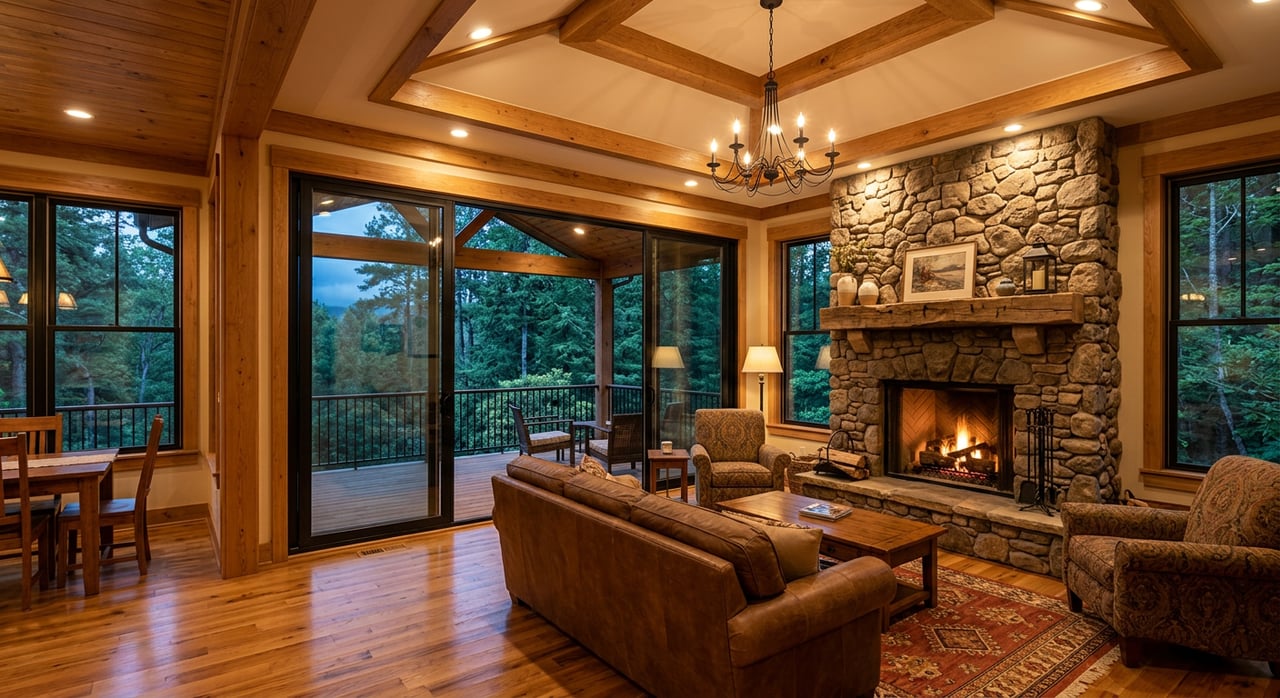
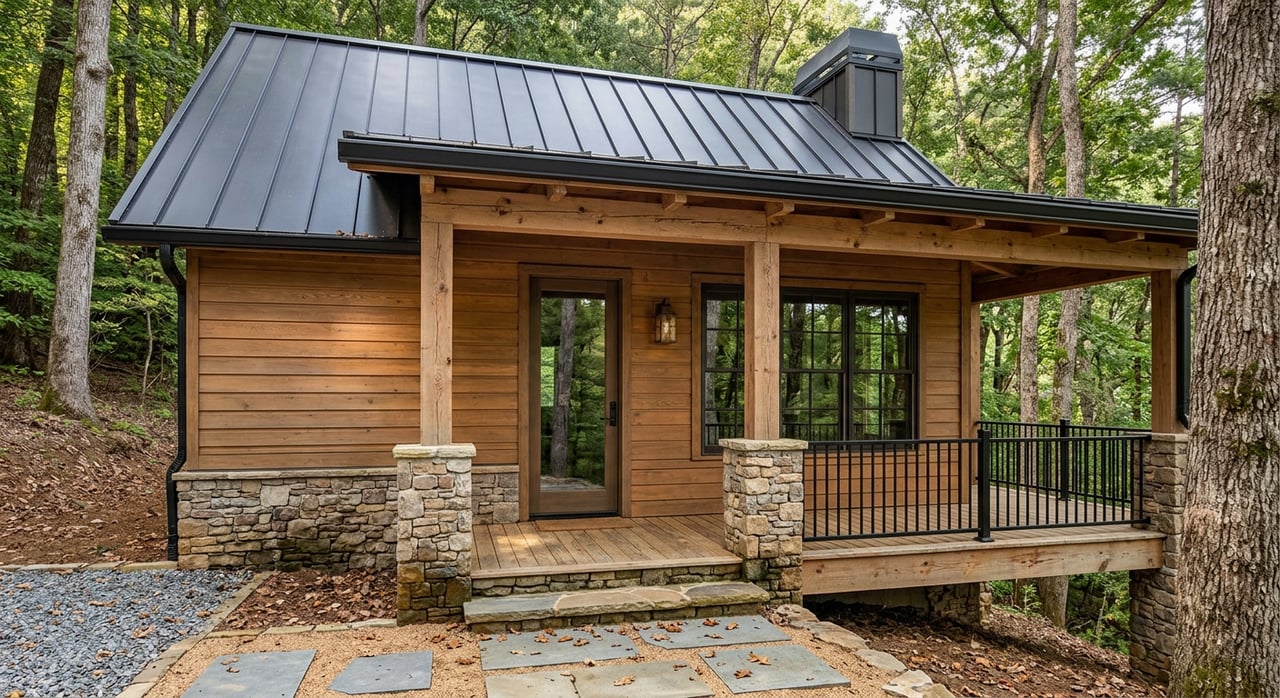
Cabins often feature wrap porches, vaulted great rooms, stone fireplaces, metal roofs, hot tubs, and built‑for‑outdoor living spaces. These features add joy and also shape your budget. As a starting rule of thumb, many owners set aside about 1 percent of the purchase price each year for maintenance, and STR owners should budget more for turnover, cleaning, and hot tub servicing. For planning basics, see this practical vacation‑home financing and planning resource.
If you will leave the cabin vacant between visits, plan for winterization, water shutoffs, and periodic checks. For steep sites, think ahead about stormwater, deck care, and driveway grading. Finally, ask your insurance agent to run both flood and wildfire risk checks for your parcel, review exclusions, and quote separate flood coverage if needed.
Due‑diligence checklist for buyers
Use this quick list to keep your purchase on track:
- Confirm city versus county location, then verify STR legality and any required permits or certificates. Start with the Fannin County STVR Ordinance and call the City of Blue Ridge if inside city limits.
- Obtain septic permit history and schedule a septic inspection and tank pump if the system is older. The Fannin County Building Department links to septic rules and contacts.
- Test well water for bacteria, nitrate, and hardness through a certified lab before closing.
- Order a survey and confirm all easements, including driveway and utility access. Ask for any road maintenance agreements if roads are private.
- Check flood and wildfire exposure with your insurance agent and compare quotes early in your inspection window.
- Review HOA covenants and rules if the property is in a community. Look for rental policies, guest limits, and road or water-system provisions.
- Pre‑qualify with a lender who knows second‑home and rural properties to clarify down payment, reserves, appraisal approach, and occupancy classification.
- If you plan STR operations, register for lodging and sales taxes, confirm local contact requirements, and budget for remittance using the county’s Lodging Tax Information page.
How we help you buy with confidence
Buying a mountain cabin is about lifestyle and smart planning. You deserve a guide who knows the terrain, the roads, and the rules. Our team combines local, cross‑border NC–GA expertise with RE/MAX reach and digital tools. We line up instant listing alerts, free market reports, and trusted lender introductions so you can move at your pace and still act fast when the right cabin hits the market.
Ready to explore cabins around Blue Ridge and nearby communities with a clear plan? Reach out to the Donna Srabian Team for local guidance, tailored searches, and hands‑on support from first tour to closing.
FAQs
How far is Blue Ridge from Atlanta, and what is the usual drive time?
- It is roughly 90 to 100 miles, often 1.5 to 2 hours via I‑75, I‑575, and GA‑515, as outlined by this Atlanta driving overview.
What price range should I expect for Blue Ridge cabins in 2026?
- Zillow’s indices place typical values in the upper $400s to low $500s for the city and slightly lower countywide, with individual cabins ranging from under $300k to over $1M depending on view, acreage, and lake or downtown proximity.
Can I run a short‑term rental in unincorporated Fannin County?
- Yes, if you follow the county’s Short‑Term Vacation Rental ordinance, which requires registration, standards compliance, and lodging tax remittance; see the Fannin County STVR Ordinance.
Are Blue Ridge cabins usually on wells and septic systems?
- Outside city limits, most cabins use private wells and septic; verify permits and service history through the Fannin County Building Department and include inspections in your contract timeline.
What down payment is common for a second‑home mortgage on a cabin?
- Many lenders start around 10 percent down, with 15 to 20 percent common for stronger terms; if the property is treated as an investment due to STR use, down payments often rise; see this loan qualification guide.
What should I budget for maintenance on a cabin with a hot tub and decks?
- A general starting point is about 1 percent of the purchase price per year for maintenance, with STRs budgeting more for turnover, cleaning, and hot tub servicing; adjust based on age, finishes, and exposure.